Love It or Listserv It

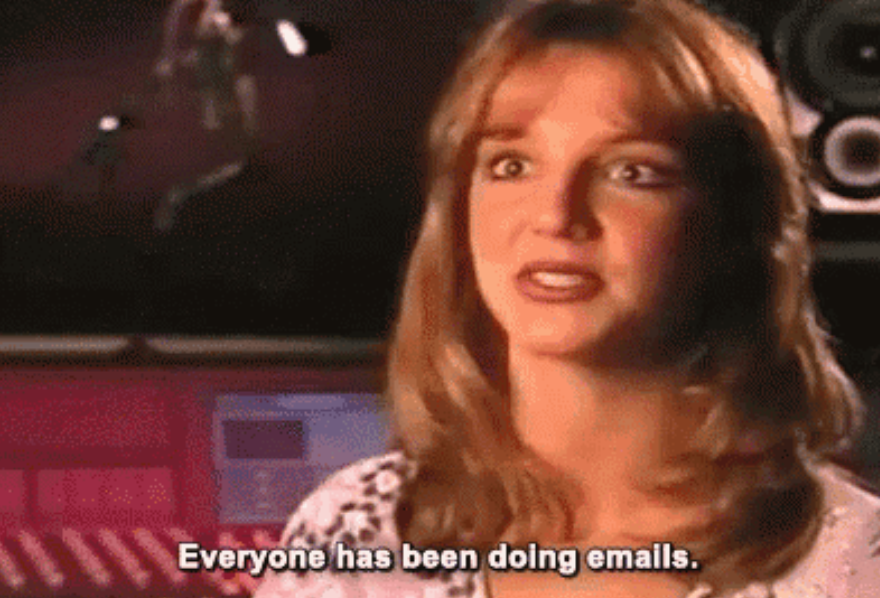
If you’re reading this newsletter, you’re probably old enough to remember the early days of email. It was a very exciting development! This newfangled way of sending messages was opening up communication with anyone in the world, a magical bridge connecting people across vast distances. Its promise and potential inspired great works of Y2K-era art, from classic songs like Britney Spears’ “E-Mail My Heart” (when the internet was still so new she referred to her crush going “on the line” to receive her love letters) to beloved films like “You’ve Got Mail” (when there was nothing like the aphrodisiac tones of the AOL dial-up greeting to get you in the mood for autumnal earth-toned turtleneck cybersex).
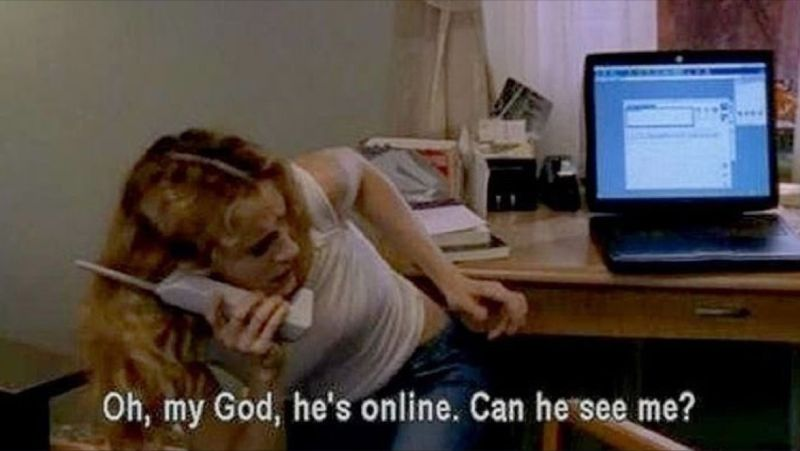
Looking back, these optimistic feelings seem naive. Emails are not fun anymore! When you’re not sending them for work, you’re mostly receiving online purchase confirmations, promotions from the companies where you made those purchases, excessively verbose and overwrought musings on Alexandria civic life from people who don’t know how to get to the goddamn point, and occasionally—if you live in certain parts of the city—heated missives from your neighbors about the latest flame-up in the local policy wars, which are probably the least fun of all.
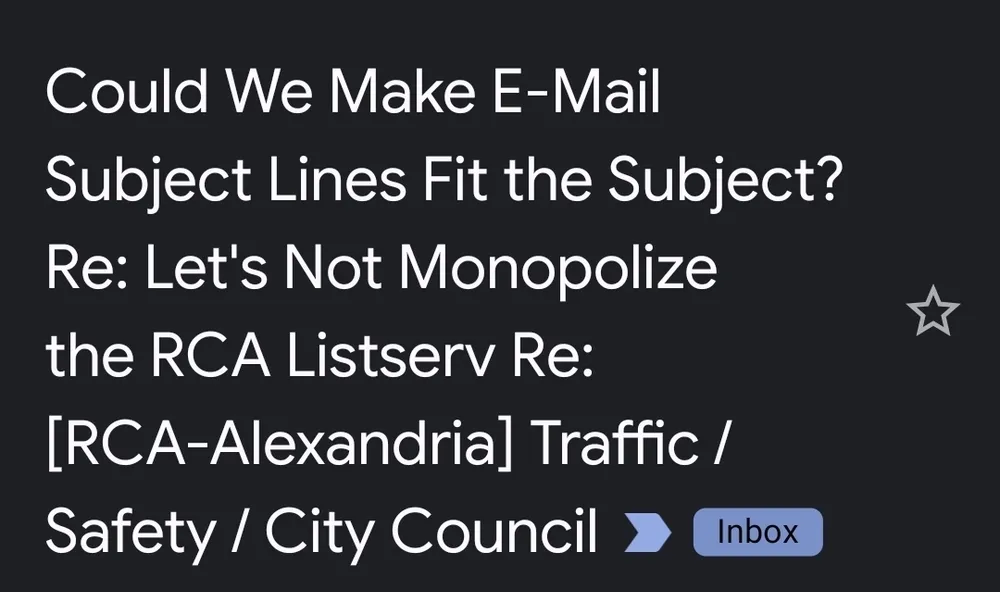
The neighborhood listserv is in many ways the perfect encapsulation of how this technology that was supposed to bring us together is all too often the cause of discord and aggravation. Granted, this is not universally true across Alexandria as some areas have pretty chill listservs that are mostly used by dudes borrowing lawnmowers from each other and many neighborhoods have none at all. But it is very much a concern in, for example, Beverley Hills—whose listserv’s long history of unhinged dialectics inspired a now-dormant parody blog that used to be required reading at its peak—and Rosemont—which has not one but two parallel competing listservs so people have double the opportunities to argue about what a “15-minute city” is, whether eating pawpaws will kill you, which parts of Alexandria are turning into Clarendon and/or Rosslyn, and whether all people in the city should be allowed to vote.
In theory it’s a little surprising for these spaces to be so acrimonious; you might expect that because they’re grounded in real-world relationships and places, they’d be relatively healthy forums for online conversation. In practice, though, they can be just as or more toxic than global platforms. According to researchers who have studied the “local paradox,” discussions about hyperlocal issues like housing density and stormwater infrastructure engender intense feelings because they directly affect people’s lives—while at the same time, the norms of offline life don’t translate online. So we end up with a nasty combination of digital disinhibition (in which people dehumanize each other and use hurtful or extreme rhetoric) and the visceral passions aroused by the design of the King/Callahan/Russell intersection.
This sucks! It’s very stressful to watch your neighbors virtually yelling at each other. It’s even more stressful when you wade in and engage, knowing that you’re pissing off people you have to see every time you take out the trash. But you feel like you don’t have a choice because you’re getting all these messages you disagree with, and you’re compelled to speak up so that your position is represented—the classic Posters’ Arms Race. As occasional participants in this unhealthy practice we are not innocent here [Editor’s note: *one* of us is not innocent] and we can attest to how powerful the pressure can be not to let your neighborhood nemesis have the last word [Editor’s note: *one* of us can attest to this]. It’s just way too easy to get worked up about the debate du jour and lose sight of the fact that you don’t have to be doing this [Editor’s note: please seek help].
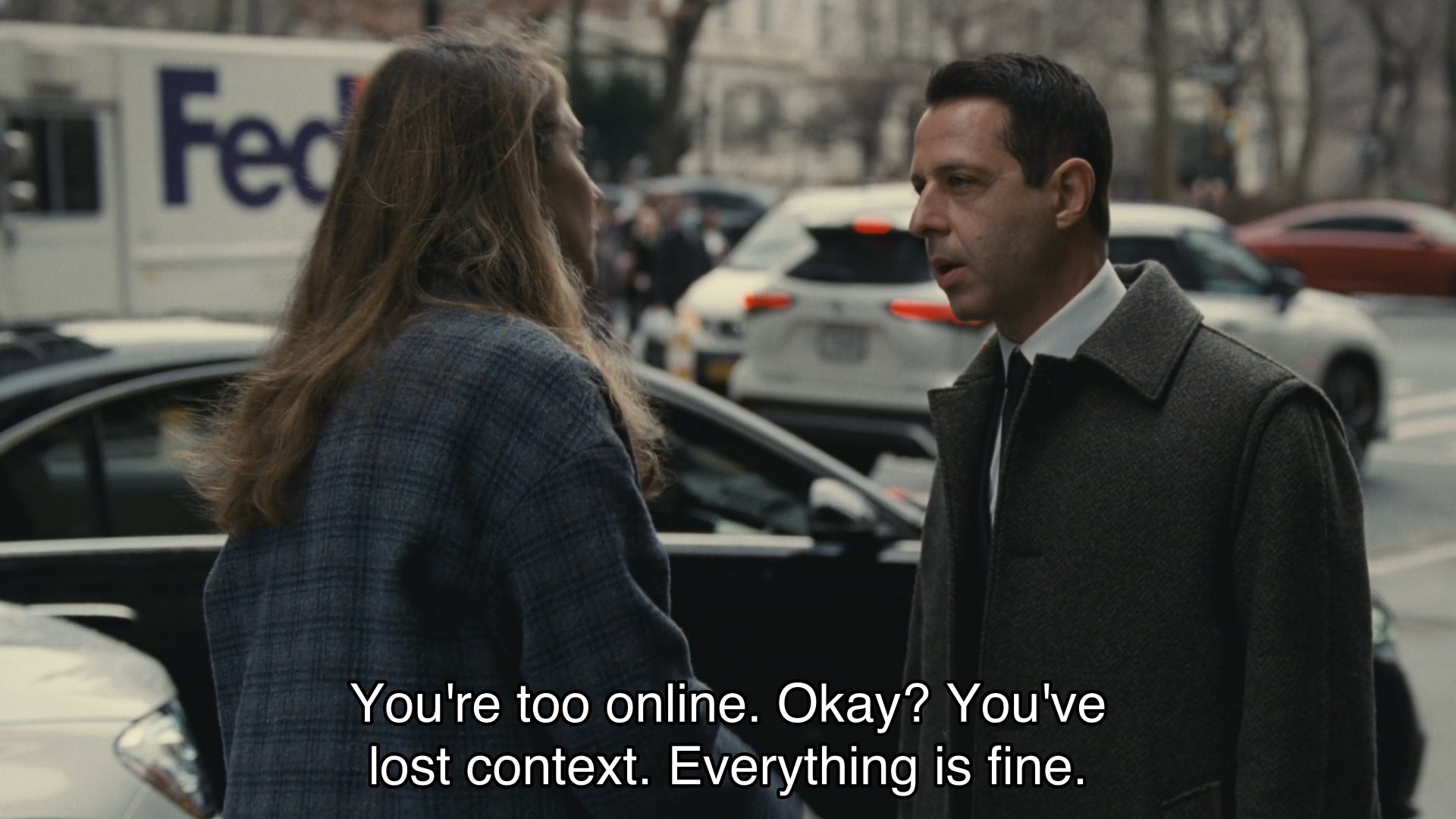
All of this hostility has real negative impacts on our communities. Taking part in and being exposed to frequent angry exchanges can affect people’s satisfaction with where they live. Our neighborhoods are supposed to be places where we feel comfortable and calm, not local discourse combat zones. Running into somebody you just sent a nastygram about duplexes, going out of your way to avoid the neighbor you’ve been arguing with about culvert cleaning schedules, even walking past the home of someone who’s a main character in every listserv beef—all of this can cause awkwardness and trigger negative emotions. And no matter which side of an issue you find yourself on, it’s demoralizing to feel like your neighbors are against you, even when you know these keyboard skirmishes are not necessarily representative of broader public opinion. Bottom line, we’re all tired of fighting, between local controversies and national politics it’s a lot and we’re exhausted.
So how do we cultivate local online communities that aren’t just vehicles for us to squabble with each other? “Logging off and going outside” is the obvious solution to the problem of listserv arguments, but neighborhood email lists do have the potential to provide benefits that we would miss out on if we opted out of them entirely. They’ve been found to enhance weak social ties with people we wouldn’t otherwise have the opportunity to meet, and they can be effective at facilitating information sharing, item exchanges, and neighborhood events. But none of these benefits can exist if so many people are turned off by toxic listserv culture that they smash the unsubscribe button or refuse to sign up in the first place.
Fortunately there are potential solutions we could deploy to keep every listserv conversation from turning into another gunfight at the Well Actually Corral. Research shows that active moderation to ensure posts meet community guidelines can cut down on online conflict, especially when decisions are made by a rotating panel of trained moderators and not left to the whims of a single person. Hot topics can be restricted to specific threads that non-sickos can mute if they want, allowing them to receive other locally relevant messages that don’t make them want to sell their house and move to an isolated cabin in Bumfuck Nowhere National Forest. Those more controversial threads can also be put into “cooling off mode” where replies are published less frequently, like once a day, instead of immediately shared—with this slower pace encouraging users to think more about what they’re saying. These are just a few ways that UX design choices could change the tenor of our conversations and there are likely other options available as well. And if none of those work, it’s always an option to follow the lead of some local listservs and ban discussion of all political or divisive subjects. This is obviously the most restrictive path, but it’s not like there aren’t other online spaces where Alexandrians can go debate the degree to which Justin Wilson remains responsible for all of society’s ills if they’re inclined to do so.
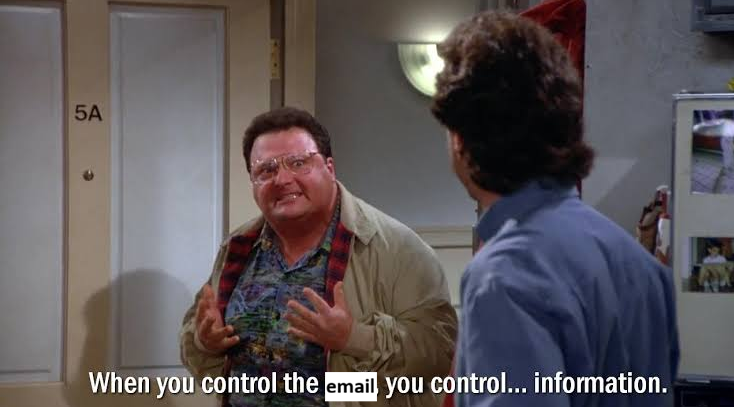
All of these options take work, but we would argue that it’s worth giving them some thought, debating them together, and putting in the effort to create healthier local online spaces. To be clear, we’re not saying that people shouldn’t be free to discuss their views or that everybody has to agree. We just believe that in a world dominated by algorithmic social media apps that trap us in ideological silos and profit from manufactured outrage, we need more inclusive platforms that can bring neighbors together on the basis of what connects us rather than what divides us. Maybe this is our 90s-kid optimism speaking, but “retro” technology like email can create that connection if we can just muster the will to break our bad habits. We don’t need to bring back cybering in chunky-knit cardigans, but if we treated every listserv post like we were emailing somebody’s heart, we would probably all be better off.
Things You May Have Missed Because You Have a Life
- Don’t let the dulcet tones of Jesse L. Martin confuse you—now is maybe not the best time to open up a restaurant in Santa Fe… because they just fell behind Alexandria on the Conde Nast list of Best Small Cities in America! That’s right, after three years marooned in the third spot we are finally #2 with a bullet and have put that dusty southwestern cowtown in our rearview mirror. Meow Wolf? Pssht, we’ve got an apothecary museum. Hey Santa Fe, you want that #2 spot back? Tell George R.R. Martin to finish writing a goddamn book.
- This article about last week’s induction of the Mt. Vernon Trail into the Rails to Trails Conservancy’s hall of fame is worth a read. Come for the well-deserved recognition for a beloved Alexandria asset, stay for the mental image of early trail activists protesting the condition of the waterfront by eating lunch on top of the city dump.
- Two Alexandria breweries went out to the Great American Beer Festival (GABF if you’re nasty) and came home with hardware, with Port City winning gold for their Oktoberfest in the Vienna-style Lager category and Mieza Blendery winning Small Brewer of the Year. So remember, the next time your partner has questions when you were “drinking in the West End with buddies for hours” tell them you were actually “celebrating the nationally-recognized achievements of beloved local businesses.” Mmmm… delicious thirst-quenching nationally-recognized achievements.
Local Discourse Power Rankings
- Is Our Children Learning (Last week: 1). The news was made official as a circle of a dozen ACPS employees solemnly clapped erasers together sending a cloud of white smoke into the air—we have a new
popesuperintendent [Editor’s note: they announced it on a Zoom meeting, there was no white smoke and you damn well know it]. Though not officially starting until February, current leader of the Anchorage, Alaska school district Dr. Jharrett Bryantt was appointed last week by the school board to be our next superintendent. After everyone got the snow day jokes out of our system and got over the initial “huh… Alaska??” of it all, we turned to actually trying to learn more about schools in Anchorage and there’s a lot to be encouraged by there. It’s a much bigger district than Alexandria both in terms of student enrollment (40,000) and number of schools (90). It’s a highly diverse system, with students and families speaking over 100 languages. The district has also faced significant recent funding challenges (a result of prior state budget cuts, though a quick google does indicate that the state recently approved a new infusion of K-12 funding) which is not great, but likely indicates he has experience navigating tough financial environments at a moment when we are facing our own complicated conversations about local and state K-12 funding. At a moment when we have just seen some green shoots of good news with recent improvements on state performance scores (16 out of 17 schools saw gains) we are cautiously optimistic that Dr. Bryantt’s experiences in Anchorage can be applied to solving some of the challenges faced by ACPS and building some positive momentum. - Full (Water) Frontal (Last week: NR). The pumphouse is dead, long live the [checks notes] enhanced gravity stormwater system? That’s right, the city just released the latest plans to manage flooding on the waterfront at the foot of King Street and these plans have a little bit of something for everyone. You want new pipes? We’ve got new pipes. You want a new marine bulkhead? We’ve got a new marine bulkhead? You want wall-to-wall bricks in the unit and 100 blocks of King Street? Ohhhh baby if you get horny for bricks boy do we have good news for you. Pretty much the only thing this new plan doesn’t have is a $15,000 mechanical singing bird, but I’m sure we can figure out how to manage without it (even if Kelly Clarkson couldn’t).
- Flock Around and Find Out (Last week: 4). While we’ve been hemming and hawing about camera locations and search histories, Arlington went and took down all their Flock cameras. They just did it! Like it was no big deal!! It seems improbable to us yet also inspirational, and the fact that the ARLnow
cesspool of vitriolcomment section is angry about it solidifies our conviction that we’re on the correct side of this issue. However, once again we are reminded of how much we hate it when Arlington beats us at anything. Zoning reform, transit oriented development… they even beat us at Civil Rights Era school desegregation by one (1) week. All of this disturbs our carefully tended delusions of superiority and thus irks us greatly. We have no choice but to let this one slide for now but if Arlington beats us to congestion pricing, gondolas, or a women’s soccer stadium we are going to be fucking pissed. - 101 Croatians (Last week: 2). It’s official: Osijek is officially our “friendship city”! According to official statements, this designation is “a non-binding version of a sister city agreement” that “presents an opportunity to test new ideas and learn together to determine whether establishing a long-term commitment is desired.” So if we’re understanding this correctly… we’re keeping it casual, not ready to make things official? We’re in a municipal situationship—friends with benefits, perhaps? In which case, which one of us is Natalie Portman and who’s Ashton Kutcher (do we want to know the answer to this question)? Or are we confusing “Friends with Benefits” with “No Strings Attached” (why did so many movies about platonic boinking come out in 2011) and if so can we just decide that neither of us has to be Justin Timberlake? And going back to the “what are we” question, does this mean that Alexandria and Osijek are destined to fall in love even though we don’t want to admit it to ourselves because we’re scared to be vulnerable with our hearts the way we are with our bodies?? Osijek, wait! Where are you going? Come back! We promise to keep our national masonic memorial in our pants!!!
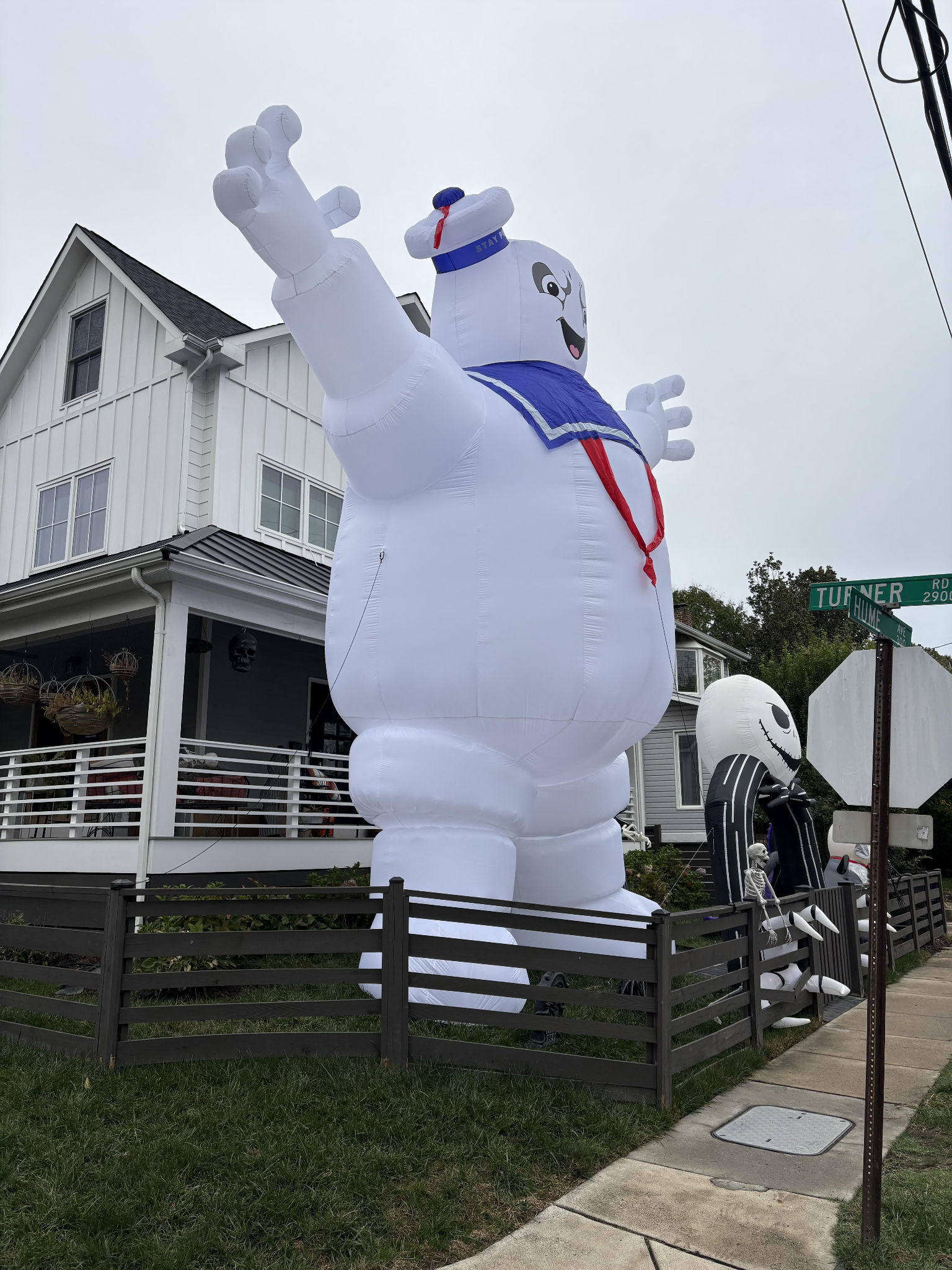
- 99 Spooktballoons (Last week: NR). Don’t get us wrong, we love Halloween and Halloween decorations. A skeleton throwing up neon green liquid into a barrel of toxic waste or a simmering cauldron of dry ice with a spooky recording of a witch’s cackle? Incredible, classic stuff, love it. Gravestones marking the final resting places of Barry D. Alive, I.M. Wormfood, and Dr. Acula? Give us all your punny epitaphs. A 25-foot inflatable Stay Puft Marshmallow Man… ok well hang on just a minute. On one hand, there is something objectively cool about an inflatable this large. We actually laughed out loud the first time we saw it. On the other hand, you can see this thing’s head above the tree line from a block down the street! It also kind of feels like a missed opportunity to have an Ivan Reitman cosplayer standing on the corner all day long explaining the finer points of proton pack operation while this ectoplasmic monstrosity looms behind him. Anyway tell us in the comments—can an inflatable actually be too big, or is the only issue here that it’s not truly movie-accurate Manhattan-stomping lifesize.
Alexandria’s Hottest Club/Commissioners Corner
Well looky here! It’s another issue of Commissioners Corner, our semi-regular feature where we interview local residents addicted to spending time in city-owned conference rooms who volunteer their time to make a positive contribution to civic life in Alexandria. This week we’re chatting with Jen Atkins, chair of the Industrial Development Authority (IDA).
ALXtra: Hey Jen!
Jen Atkins: Hey there, intrepid newsletter writers!
ALXtra: So explain the Industrial Development Authority to us. You’re not a board, you’re not a commission, you’re an Authority. That’s pretty damn cool (and mildly intimidating if we’re being honest). How is an Authority different—do they give you guys a badge and dark sunglasses or something?
Jen Atkins: Stop trying to spoil my Cartman Halloween costume! Unlike other boards and commissions in the city, the IDA is governed by state law, which provides authority to localities to set up IDAs and describes their various powers and responsibilities. You can read all about it in the Virginia code at § 15.2-4900 et seq. Generally, we are a nonprofit entity that can own, lease, or finance property and infrastructure in the city to create and promote economic activity.
ALXtra: How old is the IDA? Is it pretty new, like did we set this up when we started ruining the city’s history building more housing in recent years?
Jen Atkins: It’s older than I am, but not quite as old as the New Deal, which I have heard people refer to when talking about the IDA. The original legislation allowing IDAs throughout the Commonwealth was passed in 1966, and Alexandria created our IDA in 1972. For a long time, our IDA really only used its bond financing power, issuing bonds for projects in the city. In recent years, the IDA has been more active, working closely with the Alexandria Economic Development Partnership to fully use the powers granted to us by the Commonwealth.
ALXtra: Oh damn, the New Deal mentioned. Drink!
Jen Atkins: You guys have a New Deal drinking game?
ALXtra: No we don’t. Moving on. What are some of the more interesting projects you’ve worked on during your time on the IDA.
Jen Atkins: I’m very proud of what we did to help the Art League stay and expand in Alexandria. We were able to finance and assist in the buildout of their new classroom space on Slaters Lane. We also took ownership of space at the Muse building and built it out for the Art League, creating the anchor for the North Old Town Arts District. That kind of project, to me, is the quintessential IDA project—one that helps a homegrown nonprofit expand in the city and contributes to the economic health of the city as a whole. We also played an integral role in the Inova Hospital project at Landmark. It’s so exciting to see that project becoming a reality!
ALXtra: According to the IDA website, you all have facilitated over $1.5 billion in bond financing since 1998. Billion with a B! Jen… are you guys rich?
Jen Atkins: Hahaha. No. I mean, yes, that is Billion with a B—as in bond financing, not money in our bank account. We issue the bonds to help organizations grow and expand in the city. Like recently, we issued bonds to finance an expansion by Goodwin Living of senior residential care. We’ve also issued bond financing for projects by the National Industries for the Blind, the Institute for Defense Analysis, Commonwealth Academy, and so many others over the years. We use the fees from those bond financing projects to support our work on projects like the Art League.
ALXtra: So we’ve been asking you all these questions about the IDA, but if we’re not mistaken that’s not the only commission you’ve served on in the past?
Jen Atkins: That’s right. I served on the Park and Recreation Commission for seven years, first as a member and then as chair.
ALXtra: Other than the obvious variation in subject matter, how have those two experiences been different?
Jen Atkins: I have loved serving on both, but they are definitely different experiences. The PRC generally does a great job at hearing citizen concerns and advocating for things both within RPCA and with City Council. But ultimately city commissions are advisory only—they can just recommend that the city do something or not. I am proud that while I was there the city established the Parknership program, created the waterfront park, and renovated Warwick Pool, among other things. And the commission certainly had substantial influence on those things, but there were so many other things I wish we could have done! On the IDA, the board has an ability to get things done; we choose what projects we do and how and when we do them. Of course we coordinate with others, but we have ownership in a way advisory commissions do not.
ALXtra: Switching back to the IDA, what’s a goal you have for whatever work is going to be coming up next. How do you most hope to have an impact?
Jen Atkins: My goal is to support our homegrown nonprofits as they seek to expand in the city and to create great catalyst projects that will draw economic activity to the city. Since I know you two love a good city plan: the IDA will play a crucial role in accelerating catalyst site development on both private sites and city-owned assets—one of the core Catalytic Initiatives identified in the city’s ALX Forward plan.
ALXtra: Jen thank you for your service and for taking the time to do this chat, we'll be in touch the next time we need $1.5 billion.
We Get Letters
Becky’s neighbor Logan writes:
I’ve subscribed to ALXtra since the start of the publication and have stayed for the well-researched, comical take on local issues.
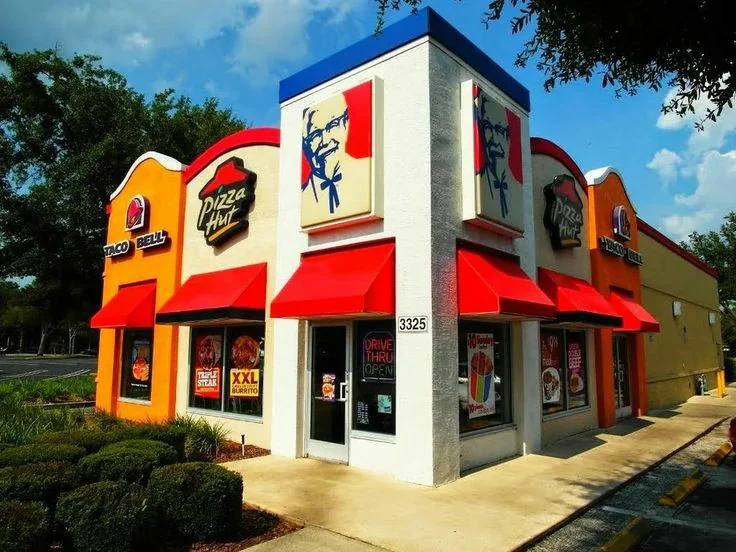
To put it bluntly, this week’s issue ‘Secondhand City’ missed the mark. While the issue proposes a creative solution to a very real problem, it lacked the journalistic accuracy and knee-slapping zingers I’ve come to expect. I could’ve looked past the overuse of “combination KFC/Taco Bell/Pizza Hut” if a “combination KFC/Taco Bell/Pizza Hut” were something that would continue to exist.
Yum! Brands completed the divestiture of Pizza Hut on September 1, 2026, and there will be no more “combination KFC/Taco Bell/Pizza Hut.”
I expect better for a publication so close to home (literally so close).
What can we say—we got this one wrong. We’re deeply grateful to our readers like Logan who hold us to a higher standard, and we’re running this letter to show how seriously we take transparency and accountability. Does it matter that Logan is pedantically pointing out that we missed this joke still being technically accurate by four weeks? No. Should we admit that we spent 45 minutes of our editorial meeting trying to decide if we should run this as a “CORRECTION… we regret the error” or as a letter? Also no. Did we consider appealing this point to the new CEO of Alexandria Restaurant Partners who worked at Yum! Brands for 12 years? Most definitely yes.
One Awesome Thing in ALX
In our last issue we shared the example of Alfred Street Baptist Church developing part of their land into 145 units of affordable housing, and suggested this was recent evidence of faith communities being open to ambitious projects that extend the kind of impact they can have on the lives of city residents. A commenter pointed out that “recent” might not be the operative modifier, and that efforts like this have been happening for years—and listed how St. James UMC turned three acres into 93 new affordable apartments in the West End in 2017, Fairlington Presbyterian Church got approval from Council to build 81 units of affordable housing on their property in 2018, and in 2019 the Episcopal Church of the Resurrection built a 113-unit apartment complex for working families on the site where the church formerly stood.
It was a great comment (thank you Vonda!) and an important reminder that the numerous faith communities in Alexandria do so much more than just meet the spiritual needs of congregants. They’ve certainly been playing a significant role in helping the city make progress on meeting our affordable housing targets and this role could accelerate even further with the Faith in Housing Act (aka “Yes in God’s Backyard”) getting signed into law last spring, making these types of redevelopment projects by churches a by-right action. It’s not just housing though—let’s not forget that ALIVE! (probably the city’s best known food pantry) is a coalition of 50 different local congregations.
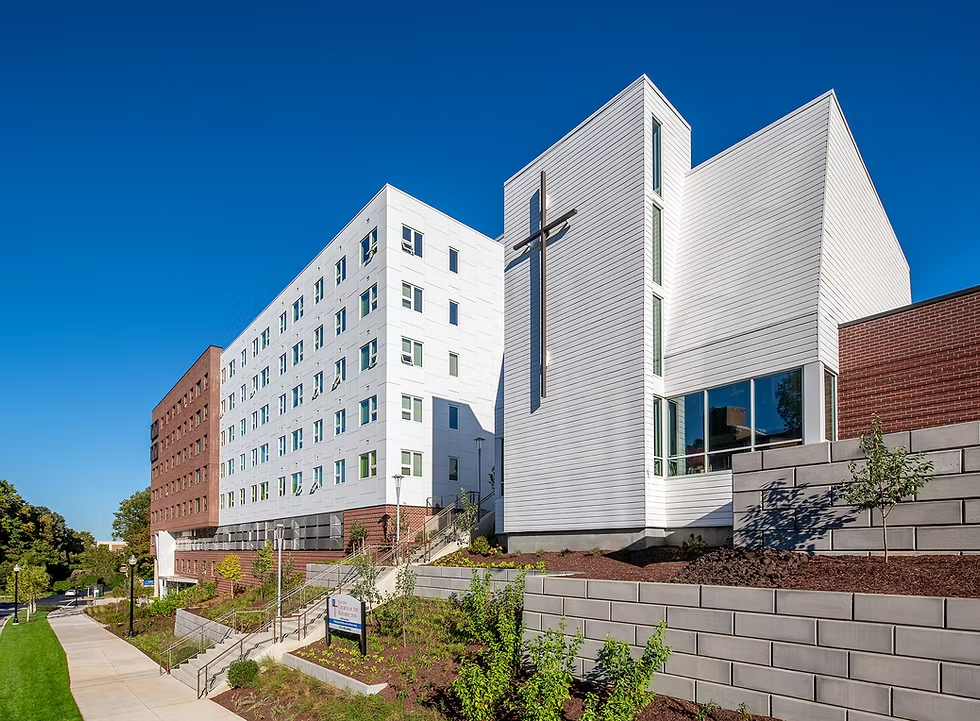
Does our good fortune to live in a place with so many engaged faith communities mean that we actually know where most of them are physically located? If you’ve been playing the ALX Where game you know that we absolutely do not know where most of them are. But that’s ok, they’re going to continue their good works, we’re all going to continue benefiting from them, and maybe some day we’ll finally get straight which side of Russell Road is Immanuel Lutheran and which side is Emmanuel Episcopal.
You can follow Becky @beckyhammer.bsky.social and Jesse @oconnell.bsky.social on Bluesky, or you can e-mail us anytime at alxtranewsletter@gmail.com.
ALXtra is a free-to-read newsletter about current events in Alexandria, Virginia. Subscribe to get it delivered directly to your inbox. Paid subscriptions give you access to the comments. Revenue from subscriptions gets used in the following ways: 1) a third goes into a charity fund, and every time that fund hits $500 we’ll make a donation to a local nonprofit in the name of ALXtra’s readers and we’ll feature and write about that organization, like we did here, here, here, here, here, here and here; 2) another third of the money will go toward investments in the newsletter; and 3) the final third of the money goes toward self-care for your two intrepid authors.