Matters of Fact

What do we owe one another? This question has been one of the most frequently revisited themes of this newsletter over our 77-and-counting issues [Editor’s note: listen, we know, we can’t really believe it either—closing in on that century mark babyyyyyy] right up there with how Alexandrians face change and parades (those are two separate themes). We’ve returned to this theme (the one about mutual obligation, not parades) because it’s fundamental to sustaining a strong community, and specific to what makes Alexandria feel different—and special—relative to other local jurisdictions.
Our city is full of people who get involved, and who take civic engagement seriously. Serving on boards and commissions, volunteering at nonprofits, advocating for causes they believe in or are concerned about, or even just sharing their thoughts about local issues online—Alexandrians lean in. We cannot take this commitment to civic engagement for granted, as it is not a universal characteristic of American towns and cities. Yet it’s also important to acknowledge how fraught civic engagement can feel when we lack a shared understanding of what we owe one another.
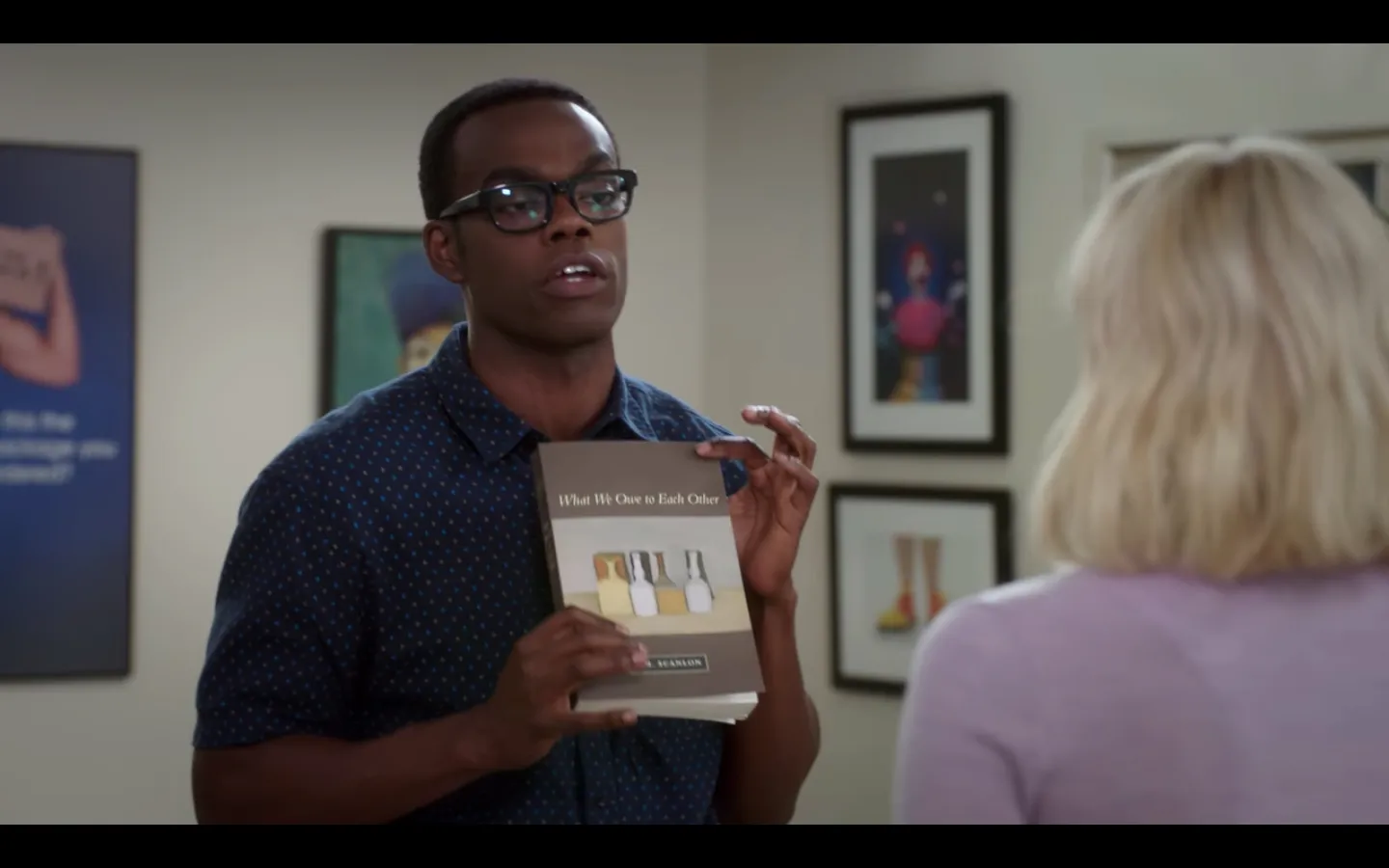
We’re in one of those fraught moments. Alexandria has been here before—the Waterfront Plan, the Seminary Road redesign, lights at ACHS, updating the zoning code to meet housing demand—and we always come out the other side. But this fraught moment feels a little different because of how that lack of shared understanding is causing people to talk past one another on the issue of designing Braddock Road in a way that is safe for all users. Our point here isn’t to argue for one perspective on that issue (though our expressed preference is no secret) but to note that these debates often contain two very different kinds of disagreements: disagreement over facts, and disagreement over values. Knowing which one we’re having matters.
The first is disagreement about facts. In the case of Braddock Road there have been arguments about how many accidents there have been in the corridor, whether emergency vehicles can pass, if the project is a state priority, etc. (here’s a link to a much more thorough Alexandria Brief article about this). It feels important as an engaged citizen to identify which information is valid—but it’s not sustainable for every person in this city to become a technical expert on whatever issue is in front of us. Civic engagement should not and cannot be that time consuming—it burns people out, and marginalizes people that don’t have the capacity to read dozens of pages of footnotes in VDOT reports.
We should all pause before expressing expertise in a professional field outside our own. This certainly doesn’t mean we should blindly accept all things we are told, but professionals possess institutional memory and context that each of us will by definition lack. An alternative idea that may seem common sense or self-evident to us may not be under consideration because it’s been tried in the past and failed, not because of negligence or lack of creativity. For example like how Bill Blackburn has to patiently explain to Jesse every time he asks why he can’t just deep fry some shepherd’s pie and call it The O’Connell BOTM. It’s been tried already man, it just falls apart! It’s got to be something with more internal structure! You can’t just deep fry a handful of mashed potatoes and call it a burger! Also, it was disgusting and a bad idea and it ruined the fryer for a week.
We also have to guard against motivated reasoning. When each of us desire to present only facts most favorable to our preferred outcome, it makes it hard for people with less frequent or lower intensity civic engagement to know which messengers are trustworthy, which can leave them feeling frustrated and demotivated about the whole process and less likely to engage on something else in the future. Ultimately, each of the things outlined above are why the city works with professional experts when making policy or practice changes, and why it matters that we all work toward a collective agreement that their expertise is applied in good faith and based on shared facts.
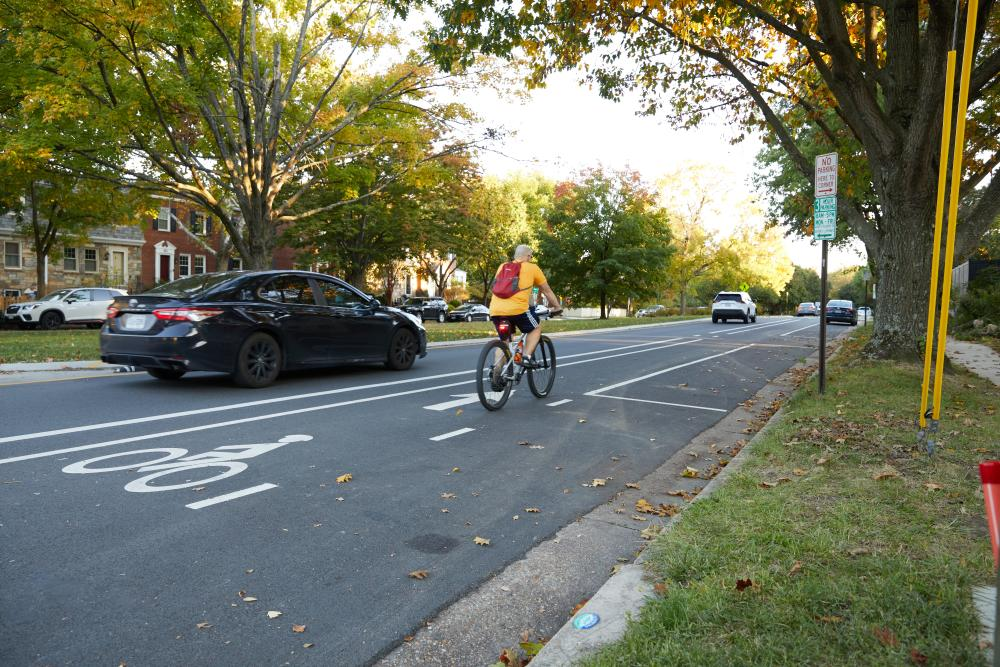
Trusting expertise matters because it helps us navigate factual disagreements with a shared baseline of reality, but even the clearest facts can only take us so far. Some questions before the city can be investigated, modeled, and researched toward resolution. Others cannot. And that’s where the second kind of disagreement comes in: disagreement about values. There are certain judgments that no spreadsheet can resolve. Public policy is not a math equation in which there is one correct answer that everyone can and must arrive at. Big decisions are also about emotions and ideals and balancing priorities: whether maintaining on-street parking is a more important objective than expanding multimodal access, whether the city’s responsibility is to preserve today’s patterns or prepare for tomorrow’s needs, and what tradeoffs we’re willing to accept in pursuit of either goal. Once the factual questions have been examined, these are ultimately the kinds of judgments that democratic governance exists to make.
Seeking evidence is important, and decisions shouldn’t be made based on faulty factual premises—but ultimately the Braddock Road decision, like other major civic debates, will reach the limits of what data alone can resolve. There is rarely some singular piece of information or evidence that will persuade every single person to one side or another. No amount of traffic analysis can tell us what Alexandrians ought to prioritize. Facts can constrain the argument, but values should decide it. Our city’s leaders have to make a decision based on our big picture goals, see how it plays out, and then make further adjustments if and as needed. What we owe each other isn’t a will-o’-the-wisp of an impossibly perfect outcome that resolves all possible kinds of disagreement, but the discipline to move through disagreement together even when—especially when—consensus proves impossible.
Things You May Have Missed Because You Have a Life
- Speaking of Braddock Road, the public hearing is coming up a week from tomorrow (Saturday May 16). If you’re inclined to share your perspective, one of the best things you can do right now is send a note to City Council through the 311 website—just click the button in the middle of that page that says “Contact Mayor, Vice Mayor, and/or City Council” and make your way through the prompts. Keep it short, keep it positive, but be sure to get on the record and get counted. (Speaking at the hearing on the 16th is even better!)
- In case you needed additional motivation to send a note like we described above, please take a few moments to read this website built by local news star Elena Hutchinson, which aggregates the last month of police scanner transcripts related to pedestrian, cyclist, and scooter accidents. It reveals there is an information gap between what happens and what we end up hearing about, and it fills in a very important piece of the bigger conversation about safe streets in our city.
- Theogony wrote a flamethrower of an editorial about the effects of leadership churn at ACPS that is extremely worth your time to read.
- Alexandria has once more been nominated for Best Small City and we swear to god if you people don’t go vote for us and we lose again to that gussied up tart Charleston and her “bless your heart, you call that a river walk?” attitude we will LOSE IT.
- The Duncan Library book sale raised $21,216, making the spring sale their most successful ever, and the first sale in which there were more available copies of Abundance (14) than Guns, Germs, and Steel (11).
- Last week the tall ship Pride of Baltimore II (the first Pride of Baltimore moved to Indianapolis) visited the Alexandria waterfront, and in July three more tall ships will be in town for the Sails on the Potomac festival. We’re not saying that this is secretly an effort by Mayor Gaskins to establish our own navy and project power up Four Mile Run to Shirlington but we’re also not not saying it.
Local Discourse Power Rankings
- The Shape of Things to Come (Previous rank: NR). There’s been a lot of recent discussion about the Make DC Square Again Act, and as the foremost local authorities on inside-the-Beltway territorial expansion we feel compelled to comment. Introduced by Rep. Rich McCormick (R-Whippets Behind the Middle School) the bill seeks to reunite Alexandria and Arlington—historically together, Alexandria County—with the rest of the District of Columbia. This is a stupid idea for reasons too innumerable to list here [Editor’s note: we get enough shit for these issues being too long as it is] so we’re just going to focus on the only one that matters: Alexandria taking Arlington by force is different than being forced together with Arlington. Oh, you think that’s a distinction without a difference? Shut the hell up, no it’s not. We are not going to just sit here and let Rep. Rich McCormick (R-The Worst Toby Keith Song You Ever Heard) try to give us what’s ours to take. Honestly this wouldn’t even be happening if Arlington hadn’t put DC and Alexandria together in a square in their own goddamn logo. In fact, that’s probably where Rep. Rich McCormick (R-Lifted Ford F150 Raptor) got this dumbass idea in the first place! Sleep with one eye open, Arlington. We’re coming for you.
- 101 Croatians (Previous rank: 5). As we noted back when Alexandria first learned it would host Croatia during this summer’s World Cup, this is the time for residents to brush up on a few key Croatian phrases—for example, “Želite li posjetiti jednu od naših brojnih pizzerija?” (“Would you like to visit one of our many pizzerias?”)—and generally prepare to welcome our temporary international houseguests. City officials have clearly taken that assignment seriously, with a Croatian stamp exhibit at the Torpedo Factory now kicking off what promises to be a summer full of cultural exchange events. We have to admit that we don’t know a lot about Croatia, but we’re thrilled for the chance to learn more about its rich national heritage, from its famous cliffside villages overlooking the Aegean to its beloved tradition of yodeling through the Alps and, of course, the ceremonial running of the gondoliers.
- You Add Some, You Delete Some (Previous rank: 2). City Council unanimously approved a $979.1 million budget last week without much fuss from their constituents, proving once again that the larger and more consequential an issue becomes, the less likely it is to generate the kind of passionate public engagement typically reserved for reallocating six parking spaces somewhere near Del Ray. Even the Alexandria Times opinion page didn’t bother to run any letters about it other than one criticism that the vote was unanimous. Uh, okay? Would the budget somehow have improved with one or two dissenting votes? Does the act of saying “nay” unlock hidden fiscal efficiencies? Would Jim Parajon wheel out a second, better budget from backstage if enough visible conflict were generated? Please, we’re just trying to understand the theory of change here. Because if the “more drama, more money” strategy actually works then we’re on board with Council going full Real Housewives of the Del Pepper Community Resource Center when FY28 budget season rolls around.
- Tall Erections (Last week: 2). This week the city had its first public meeting to take input on plans to redevelop the long-derelict former Potomac River Generating Station power plant site. This project is a rare chance to transform one of the city’s most prominent dead zones through an intriguing tax-increment-financing (TIF) structure, significant new public waterfront access, and what can only be described as “a lot” of future housing. Of course, Alexandria being Alexandria, much of the conversation has focused on the horror of some of the proposed buildings reaching a height of 17 stories. This is an especially charming objection given that the site spent decades being occupied by a GIANT FUCKING POWER PLANT with SMOKESTACKS and MASSIVE PILES OF COAL. Apparently our skyline was hunky-dory when it was dominated by industrial planet-killing infrastructure, we only have a problem when the tall thing might contain new residents.
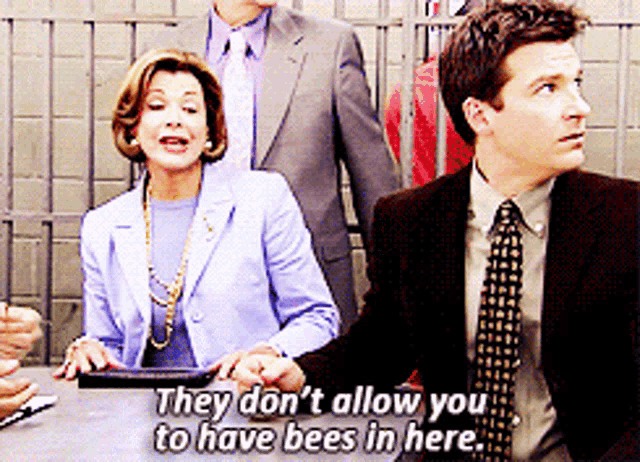
- NIMBees (Previous rank: NR). A Planning Commission discussion this week on whether the zoning code should regulate beehives revealed two important facts: first, bees are notoriously bad at complying with regulatory setback requirements, and second, there are at least one hundred beekeepers in Alexandria. What??? Since when does this city have an extensive and thriving apiarist underground? Has this been going on beneath our noses this whole time? WHAT ELSE ARE OUR NEIGHBORS HIDING?? Are the next set of proposed zoning code amendments going to turn up a backyard falconry ring? Clandestine alpaca husbandry?? So many questions, so many animal-related hobbies we didn’t previously realize were options!! Unfortunately, the Planning Commission decided to defer bee zoning for further study, so it might be a while before we can move on and find out which local residents are secretly raising goats to pursue second careers as cheesemongers.
Alexandria’s Hottest Club Is… Other Alexandrias
We all know that Alexandria, Virginia is the most important place on earth and that in addition to being more civically engaged (as discussed above), its residents are also smarter, cooler, and better looking than everyone else. But did you know that other places named Alexandria have the audacity to also exist? It’s shocking, but true. Most of the time we’re steadfast in our dedication to ignoring these usurpers, but they occasionally befoul our Google search results when trawling the world wide web to find locally relevant content for this newsletter. As a result, we’ve learned a fair amount about them through processes entirely against our will. It turns out there are a lot of them, and some even have [light gagging noises] things in common with us. Let’s take a spin through them, shall we?
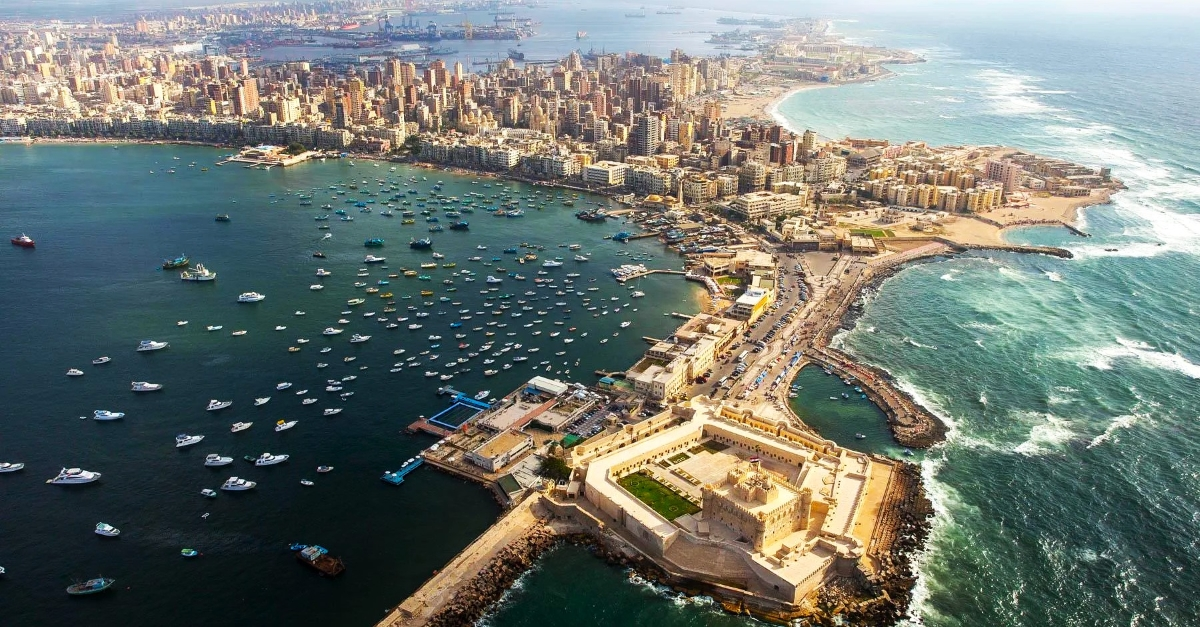
Alexandria, Egypt
- Named After: A guy named Alexander who created one of the largest empires in antiquity and is considered one of history’s most successful military commanders
- Known For: Famous library that burned down, lighthouse that was the second tallest
erectionconstruction in the ancient world, Africa’s oldest tram system - Nickname: The Bride of the Mediterranean
- Things We Have in Common: Big-shot founding fathers; historical reputation as a port city (they traded grain, papyrus, glass, and cotton while we traded [FILE NOT FOUND]); longstanding dedication to public transit; Abdel Elnoubi
- Alexandria Superlatives: The OG and the largest
Alexandria, Missouri
- Named After: A guy named Alexander who owned a ferry
- Known For: Adjacency to the Mississippi River; being “far from emergency services” (per Wikipedia)
- Nickname: Unknown
- Things We Have in Common: Regrettable susceptibility to flooding
- Alexandria Superlative: America’s smallest Alexandria (0.4 square miles, pop. 105)
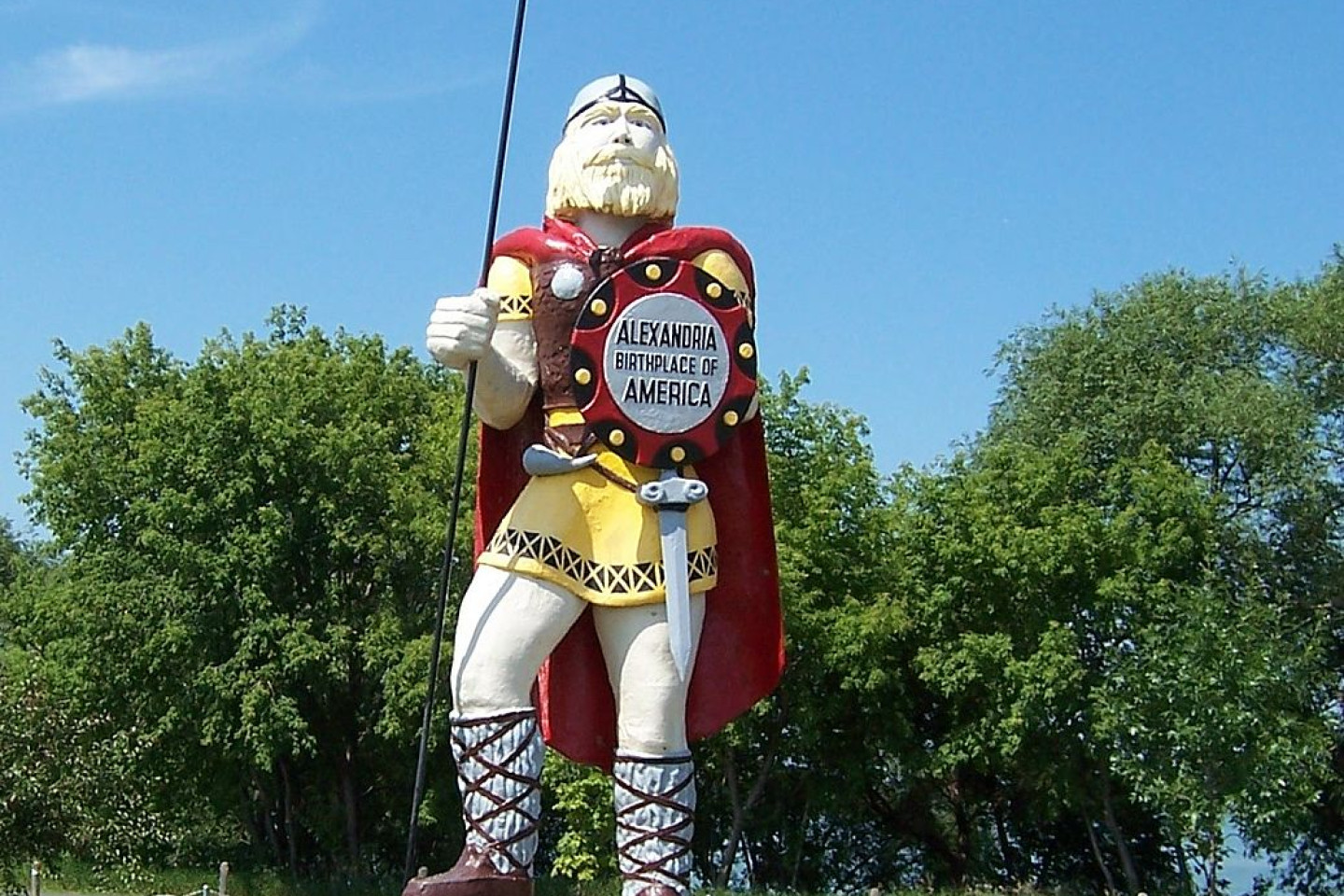
Alexandria, Minnesota
- Named After: A guy named Alexander who was a postmaster
- Known For: A supposed Viking-era runestone found in a local field that’s probably a hoax; a large Viking statue named “Big Ole” located outside the runestone museum that’s watchable via live webcam for reasons we fail to understand; the birthplace of character actor John Hawkes
- Nickname: Alexandria—Birthplace of America (excuse us?)
- Things We Have in Common: Kayak launches, arts festivals, being weirdly territorial about our roles in early American history
- Alexandria Superlative: Most aggressively Scandinavian
Alexandria, Louisiana
- Named After: A guy named Alexander who was on the wrong side of the Revolutionary War, participated in the Whiskey Rebellion, fled to Spanish Louisiana, swindled multiple indigenous peoples out of their land, and went down in history as the only man who had to be pardoned by George Washington two separate times
- Known For: Getting absolutely wrecked by Union soldiers during the Civil War; chemical manufacturing
- Nickname: Crossroads of Louisiana
- Things We Have in Common: Humidity; summer college league baseball teams called the Alexandria Aces; being the joint namesakes of the nuclear submarine USS Alexandria; a shared dedication to submitting service requests on the Alex311 app even though it only works for one of us
- Alexandria Superlative: Given that this city is notorious as the departure point for many ICE deportations, it’s pretty obviously the most evil Alexandria—the Wario to our Mario, if you will
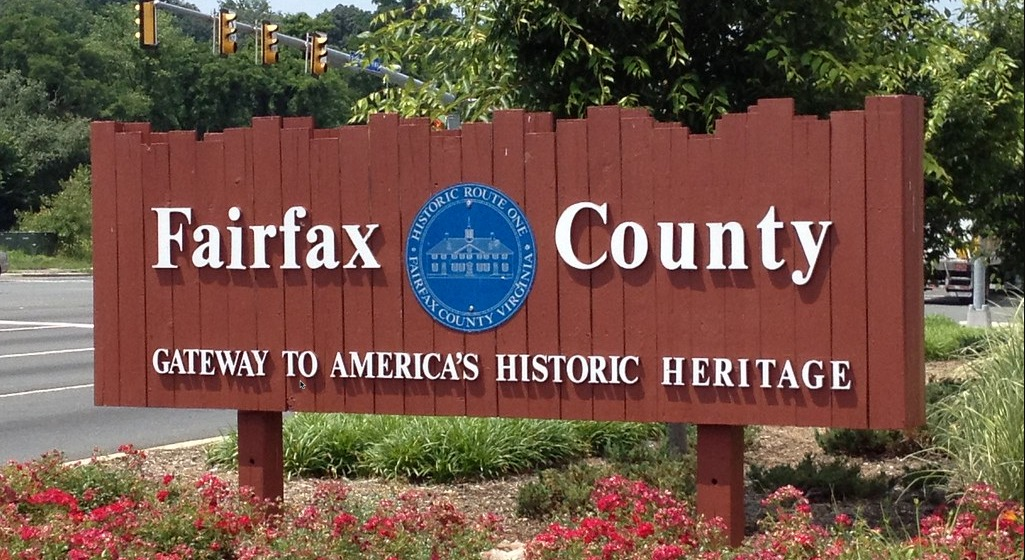
“Alexandria,” Fairfax County
- Named After: NOT a guy named Alexander because it’s an impostor that’s stealing our identity
- Known For: In 1996 Egypt hosted a party for all the cities in the world named Alexandria and Fairfax County was not invited
- Nicknames: Fake ALX, Fauxlexandria, the Rachel Dolezal of Alexandrias
- Things We Have in Common: A border, unfortunately
- Alexandria Superlative: History’s most tragic victim of confusing postal designations
Other Alexandrias Lightning Round
- Alexandria, Indiana: Home to the world’s largest ball of paint
- Alexandria, Scotland: Reputedly the only town in the United Kingdom with the specific combination of a railway station, a carnival, and a pub in the middle of a roundabout
- Alexandria, Australia: Landing point of the trans-Pacific submarine telecommunications cable, so possibly the most geopolitically important Alexandria?
- Alexandria, South Africa: Important center of chicory production and home to one of the world’s largest active sand dune fields (not sure what it means for sand dunes to be “active” but we’re sure one of you nerds will tell us)
- Alessandria, Italy: Famous for making luxury hats and not knowing how to spell Alexandria
- Aleksandria, Poland: Okay at least that’s pronounced like “Alexandria”
- Alejandría, Colombia: Now we’re playing a little fast and loose with what counts as an Alexandria??
- Oleksandriia, Ukraine: Get the fuck out of here.
In sum, the number of Alexandrias spread across the globe exceeds even our wildest expectations. But while they all have their own quirks and points of interest, they ultimately fall short—because not a single one of them can lay claim to what Alexandria, Virginia has: all of us.
Overheard in ALX
From an eagle-eyed local Jeopardy watcher:
“George Washington helped lay out this place on the Potomac & drilled troops there during the French and Indian War.”
Ken Jennings, how hard would it have been to add “making it older than the United States, which they pointedly celebrate each July with fireworks”? We’re disappointed in you man, Alex would have never left us hanging like that.
One Awesome Thing in ALX
A couple weeks back, our friend Nicole gave the following comments at a City Council public hearing and they were so great we had to print them here. They capture not just one awesome thing in Alexandria but so many awesome things about this city (and even some of the actions we need to take to make it more awesome):
Last summer, my family and I went to Disney World. It was our first family trip. We had a blast! One night, while riding the FREE bus back with all different kinds of people, some speaking foreign languages, I realized that Alexandria has so much of what Disney offers. As I was thinking, I was amazed at how much people pay and what we paid to go, when they could just stay in Alexandria and have a similar experience.
PARADES: While Disney has princesses and cartoons, we have George Washington, men in kilts, and leprechauns, plus cute dogs.
FIREWORKS: Alexandria has our fabulous birthday fireworks, plus views of DC’s 4th of July. And if you are lucky, you can catch some illegal shows in Holmes Run Park.
CRAZY RIDES: Let’s talk about the Tower of Terror: never knowing how far you will drop or when you will stop—kind of like our bike network that jumps from sharrows to bike lanes to nothing at all. Or the Rock and Roller Coaster—just get on a bike and ride down Pegram. You can get the rush of adrenaline dodging cars or get hit by one while riding your bike on Beauregard or Van Dorn. And this is without a Disney park admission ticket.
FREE BUSES: This is what I loved about Disney. If you stay on-site in Disney, you walk less than 10 minutes to a bus stop that will take you to any park! And then at the parks, you can get on a FREE bus to any other park. No cars needed. In Alexandria, you can walk less than 10 minutes for a bus to take you to the Metro, the Pentagon, or the parades and fireworks. If you stay in Alexandria, it’s free!
The transportation is calm, friendly, and safe, like Braddock Road could be when Council votes for the city’s plan. The walkability in Disney is wonderful. Alexandria does have two blocks of King pedestrianized, but I think we should do the whole thing. Disney also has giant parking lots and so do we. We also have mini parking lots that Disney doesn’t, like private driveways. Disney does not have cars in their kingdom, and we should follow that example.
Disney was a blast, but an expensive blast. And don’t get me wrong, I have plenty of issues with the commercialism of it. But what people love about Disney is how they are taken care of—how they can walk in their community, how they have fun times at parades and fireworks and rides, and how they know they have a free bus to take them home. Kids are centered. Vulnerable people are centered. Kids and adults feel safe.
So when Council is making budget decisions and voting about transportation (bus networks, Braddock Road improvements, maybe even a gondola), think about what Mickey and Minnie would do.
This is such a great sentiment, but for the record—if Mickey and Minnie Mouse were in charge of running things in Alexandria, the first things they’d do are, in this order: (1) Tomorrowland people mover on Duke Street, (2) Lightning Lane reservation system for brunch at Matt and Tony’s, (3) new rule that public meetings must end with councilmembers smiling and waving from a balcony.
All right, that’s all for today folks—see you back here in two weeks!
You can follow Becky @beckyhammer.bsky.social and Jesse @oconnell.bsky.social on Bluesky, or you can e-mail us anytime at alxtranewsletter@gmail.com.
ALXtra is a free-to-read newsletter about current events in Alexandria, Virginia. Subscribe to get it delivered directly to your inbox. Paid subscriptions give you access to the comments. Revenue from subscriptions gets used in the following ways: 1) a third goes into a charity fund, and every time that fund hits $500 we’ll make a donation to a local nonprofit in the name of ALXtra’s readers and we’ll feature and write about that organization, like we did here, here, here, here, here and here; 2) another third of the money will go toward investments in the newsletter; and 3) the final third of the money goes toward self-care for your two intrepid authors.