Win, Lose or Draw

You know how some people are always using sports as a metaphor for life? That’s not usually our thing; it’s too hard to map “double overtime” onto a four-hour City Council meeting. When does regulation end? If the vote on the final agenda item is tied, does it go to penalty kicks? It’s just too confusing. But with the NCAA basketball tournament underway this week, we can’t help noticing that March Madness is actually the perfect analogy for life in Alexandria right now. There’s so much going on that it’s hard to follow everything. Money—municipal budgets, online gambling—is a controversial topic. People are getting way too invested in relatively low-stakes contests. Tornado watches and the Iowa State Cyclones are making surprise appearances. And everywhere you turn someone is hooting and hollering, whether it’s rowdy hoops fans in the arena or Jesse roaming the streets of Del Ray celebrating his [REDACTED]th birthday today.
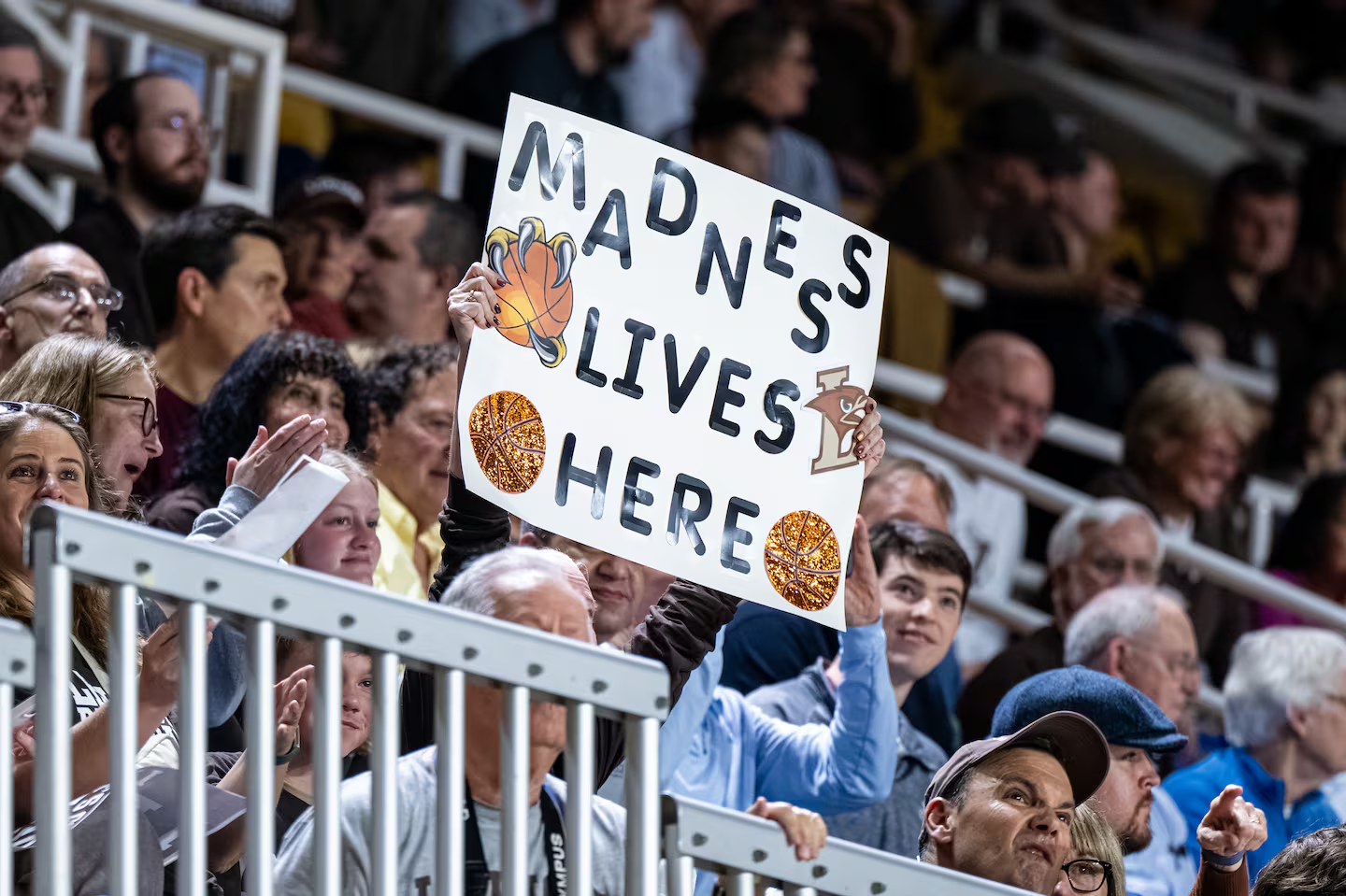
We know some of you are probably thinking: “Hold up, what’s with all the sports content? We’re here for municipal governance nerd shit. Stay in your lane!!” Simmer down, Steve Urkel, we’re getting there. The real reason we brought up March Madness is because it has something fundamental in common with Alexandria policy decisions: they both produce winners and losers. The difference, however, is that the NCAA is much more comfortable with this dynamic than some local decisionmakers are.
One potential explanation for this is that the “winners/losers” divide in city policy often has an asymmetrical element to it. When we reflect on the controversies that have generated the most engagement in recent years—new apartment buildings, the Episcopal athletic field lights, the Potomac Yard arena (RIP), the waterfront pump station (RIP pending possible resurrection in another form)—one common throughline that jumps out is that these projects tend to generate concentrated impacts but diffuse benefits. We don’t always frame the debates this way, but once you see the pattern you start to notice it everywhere: a relatively small number of individuals bear the cost of a proposed action (whether that’s financial loss, inconvenience, or varying degrees of emotional distress) while the benefits are distributed more broadly across the community.
To illustrate in a manner consistent with this issue’s theme, let’s consider yesterday’s Wisconsin/High Point game. Wisconsin losing in the first round of the tournament caused their players and fans to experience an intense negative impact, while watching them get unexpectedly eliminated by a school no one’s never heard of provided a less intense but more widely dispersed positive viewing experience for the American public. Or, fine—to put it in terms that you dorks can understand, it’s what happens when the city proposes to eliminate on-street parking in front of 50 houses so that a larger (but harder to quantify) number of Alexandrians can enjoy access to safer multimodal road infrastructure. The intensity of the emotional reaction tends to be much greater among the former than the latter.
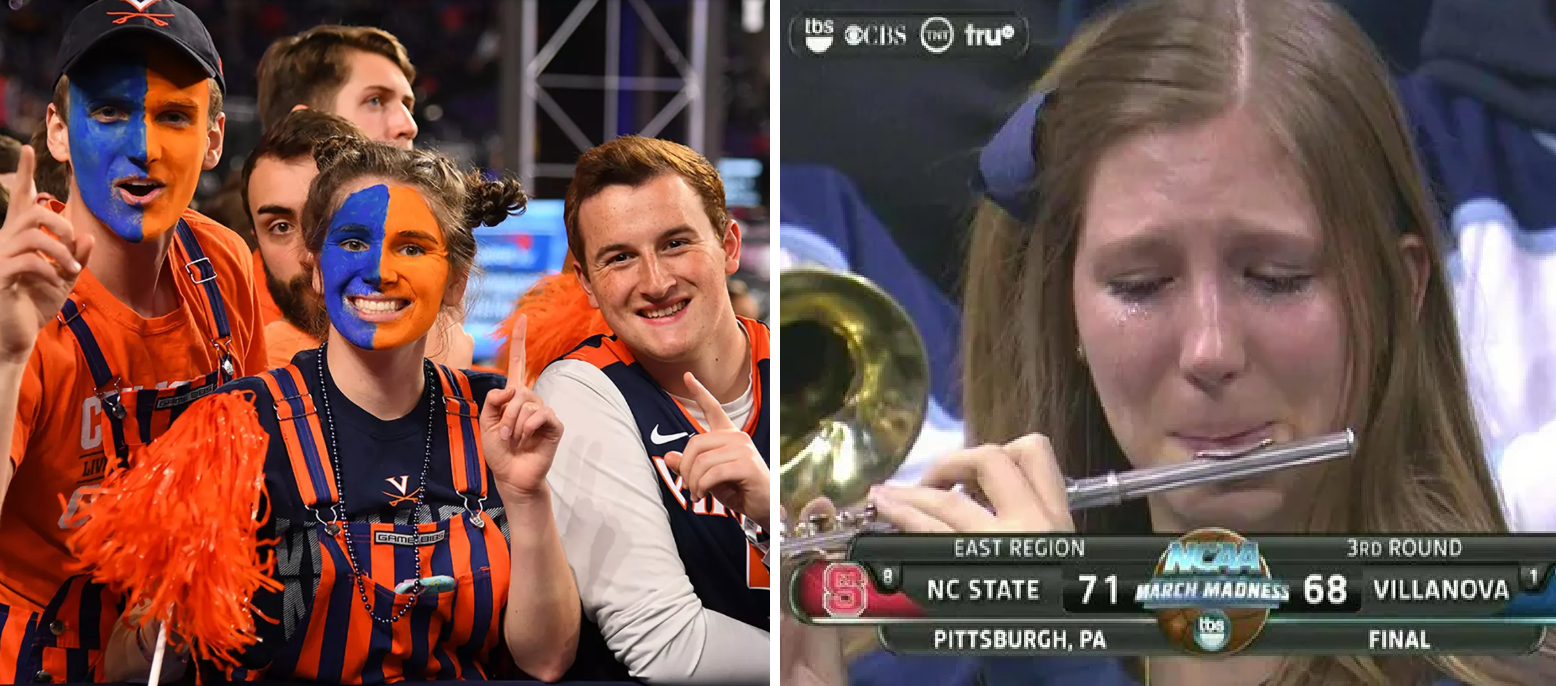
This isn’t a perfect encapsulation of the dynamic in all cases because (a) sometimes the benefits are also concentrated, and (b) sometimes the same people end up experiencing both positive and negative impacts, which can make the final score feel like more of a draw. But generally it tracks pretty closely with what we’ve seen play out in Alexandria in recent years.
Why does this matter? People with strong negative feelings are more likely to speak out, and to do so angrily. We end up hearing a disproportionate amount from them in public debates—we’ve written about this before, so we won’t repeat ourselves. What we don’t think we’ve discussed previously is the resistance among proponents of change to acknowledging that some local policy decisions do in fact negatively impact certain residents. Admittedly, we’ve been guilty of this reluctance ourselves on occasion. Admitting the harms your preferred outcome is inflicting on others can feel like betraying the cause—the default response is to stay focused on the positive message. But pretending that opponents’ concerns aren’t real isn’t intellectually honest. Plus, it only makes them madder, which is not productive. It’s how you end up with a conversation that’s the verbal equivalent of college basketball coaches throwing chairs across the court—in other words, more acrimonious than it needs to be. Naming the disruptions and difficulties that a project might cause can help us establish a better dialogue focused on seeking practical solutions, rather than an oppositional relationship in which one side is right and the other side is wrong.
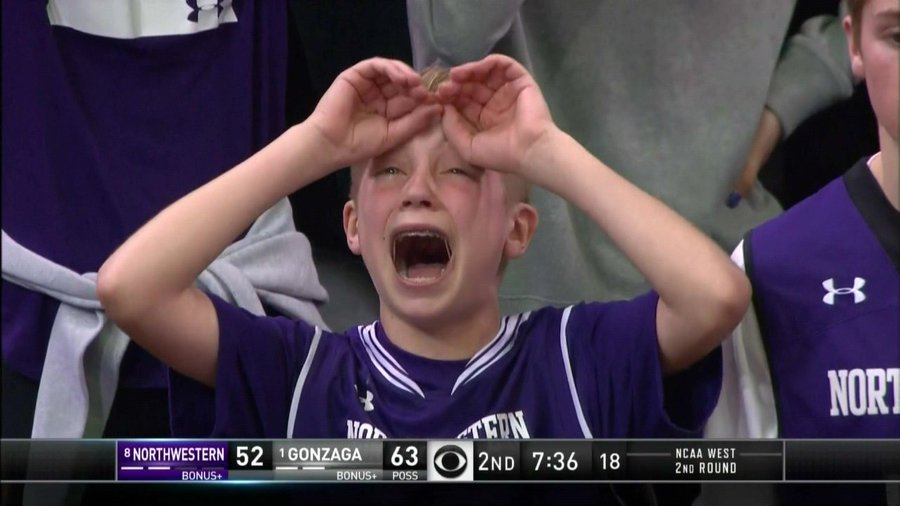
But—and this is really important—the fact that a given policy decision will create winners and losers should absolutely not stop us from making that decision if it’s for the greater good of the community. We can’t make decisions on the basis of causing no inconvenience to anyone ever. Nothing would get done! And it would do a disservice to the people who are already inconvenienced (or worse) by the status quo, but who aren’t necessarily making a stink about it because they’ve resigned themselves to the way things are.
Of course, we should do our best to quantify and mitigate the highly concentrated negative impacts of proposed actions to the extent possible. But it might not be possible to eliminate them and still achieve our goals, and in that case we’ve got to make a choice. If we follow the evidence, if we carefully consider the citywide costs and benefits, our decisions will be rationally justified and we should proudly own and embrace them—and be okay with it if they make some people upset. Good governance is not the same thing as avoiding giving anyone a reason to yell at you. But it does sometimes mean asking a small number of people to take one for the team, and our job is to make sure we don’t pretend that sacrifice isn’t real, even when we decide it’s worth it.
Things You May Have Missed Because You Have a Life
- DC Water held a town hall last night about the Potomac sewage spill that included a Q&A section. Personally we thought it was rude that they refused to answer Visit Alexandria’s question about whether they could keep the spill going just a little while longer so the odor along the waterfront can be marketed as an immersive historical tourism experience.
- In other waterfront-related event news, the city is hosting an opening reception tomorrow afternoon for the new Site See art installation, “Now or Never,” which is kind of a misleading title because you have until November to go check it out. Stop gaslighting us, Office of the Arts!!
- Last week the General Assembly passed a resolution congratulating Table Talk on its 50th anniversary, which was pretty whimsical—we never thought we’d see a legislative “WHEREAS” clause that included the phrase “sausage gravy on biscuits.” Our only note is that the resolution forgot to commend the restaurant for the attribute its regular clientele most cherishes: having a parking lot in Old Town.
- A place serving Chicago tavern-style pizza is opening in Old Town and… and have we done it? Do we have every possible style of pizza now? Have we collected them all like some demented fistful of charred, crusty, bubbly Pokemon?? [A confetti cannon fires marinara sauce and cheese all over us]
Local Discourse Power Rankings
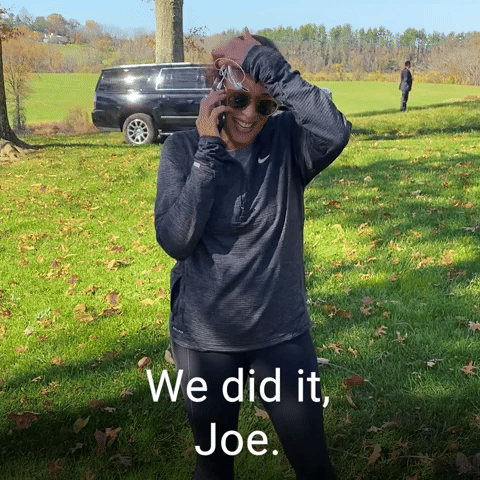
- Underwhelmingly Aggressive Weather Phenomena/Is Our Children Learning (previous ranks: 1 and 2, respectively).
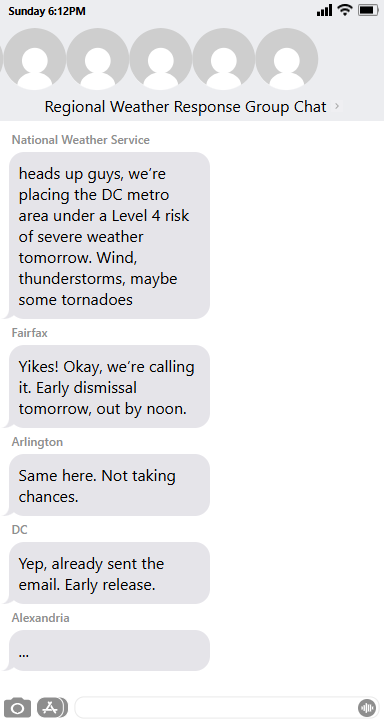
The next day:
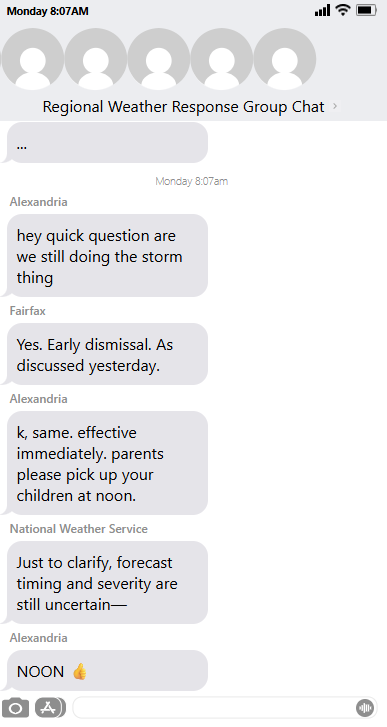
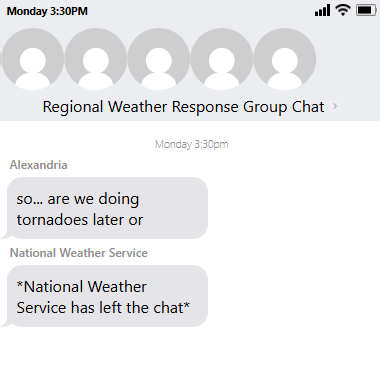
12:15pm: Parents across Alexandria reschedule meetings and skip lunch to get to early pickup.
2pm: A rainstorm of slightly above-average intensity occurs.
3:30pm: Sunshine returns. A light breeze blows. Birds chirp contentedly.
- You Add Some, You Delete Some (Last week: 1). We’re firmly in the middle of Numbers Fest 2026 and the fiscal festivities have taken some interesting turns of late. Last week Council voted to change how school funding gets presented, asking the School Board to break its proposed budget into detailed categories instead of a single lump sum request. It wouldn’t be binding, so this is less Council saying “we want to control your every move” and more “please just tell us what the hell is going on over there.” We know the relationship between the two bodies is a little fraught
right nowmost of the time, and this move might exacerbate some of their lingering trust issues. But if we were the School Board, we would try to look on the bright side and think of this as an opportunity to put together a budget that’s a cute little bento box (organized, aesthetic) instead of one big pile of mashed potatoes (mysteriously homogeneous, starchy). Everybody loves a bento box! Especially kids. It’s the perfect school lunch. Neatly arranged portions, clearly labeled, and you don’t have to worry about your pupil transportation funding accidentally touching your contingency reserves—ugh, gross. - Heartbreak Feels Good in a Place Like This (Last week: NR). Exciting news on the boob tube front [Editor’s note: I know we redacted your age up top but how old are you man, no one has said “boob tube” since Gerald Ford was living behind Bishop Ireton] as Alexandria is returning to the small screen in Amazon Prime’s Nicole Kidman vehicle, Scarpetta. The Port City’s recent star turns have ranged from portraying our environs fairly accurately (Mercy Street), to not accurately (The Walking Dead), to not even remotely trying (Black Panther), but this is the first time (as far as we know, we are definitely not bothering to research this or look it up) that Alexandria has been played by Nashville. We honestly can’t tell if this is more complimentary to Nashville or Alexandria (let’s call it a draw) but we can definitely say it’s highly insulting to Richmond which is the city where the Scarpetta books take place. Kiss our more marketable(??) ass, Richmond!!
- Reading is Fundamental (Last week: NR). The lack of visual clutter from political signs in medians has long been a major perk of living in our fair city, one that’s highlighted every time we cross Four Mile Run during an election cycle and see them pop up mushroom-like in the public rights of way. Arlington recently had the chance to reverse this embarrassing admission that their residents aren’t grown up enough to know an election is happening unless there are hundreds of placards that say SCHLABOTNIK FOR COUNTY BOARD distracting thousands of Maryland cut-through drivers that genuinely could not give less of a shit… and they couldn’t pull it off. The vote to ban median signs lost 4-1 which is, quite honestly, hilarious. Could you imagine being this dedicated to an outdated technology? You’re going to the mattresses for distractedly speed-reading signs?? Embarrassing, get with the times Arlington, we’d never be caught dead holding on to doing something the same way they did it a couple hundred years ago [hurried shoving the Gadsby’s Tavern menu behind us where Arlington can’t see it].
Alexandria’s Hottest Club is… Writing About Alexandria
Longtime readers of ALXtra or followers of either of us on social media know that we’re no johnny-come-latelies to the writing about Alexandria game. The newsletter is closing in on its third full year of existence, and each of your intrepid authors was sharing hot takes and opinions about our fair city in various places for years prior to that. But that’s not to say we were alone out there on the local commentary beat—far from it. The Alexandria Gazette is celebrating its 192nd birthday this year, and the local discourse has long been blessed by your Port City Publiuses and your Shallots and your Bevs from Tales from the Beverly Hills Listserv. But nothing that came before can compare to the current quantity [Editor’s note: don’t be a dick, say quality too] of local coverage of Alexandria. There’s so much you guys! Enough coverage and content, in fact, that no matter your point of view there’s likely an Alexandria publication for you. Do you only like good news? We’ve got you. Do you only like angry opinion columns? We’ve got you. Do you only like vulgar language and exhaustively overwritten metaphors? We’ve fucking got you!!
This reflection on the state of the local blogosphere [Editor’s note: nope, knock it off, It’s not 2006, our local media scene is not an RSS feed] was sparked by the recent launch of the Port City Star, a new effort led by former Vice Mayor Amy Jackson. They’re still getting going so it’s not entirely clear what their final form will be, but it looks they’re broadly aiming for the events and good vibes lane currently occupied by The Zebra. Which, hey, who doesn’t love a good event pic or fifty—the more the merrier we say. And if the competition gets The Zebra (which we generally like) to refocus and get back to basics and stop posting painfully cringe cartoons made by AI (which we generally do not like) we’ll all be the better off for it.
But what about hard news you say! Well we’ve got plenty of that at the moment too. For the past few years the go-to tick-tock of local news has been ably covered by ALXnow, and they’re still doing their thing—recently bringing some journalists from other parts of their regional newsroom onto the Alexandria beat with encouraging results. Even better has been the launch of The Alexandria Brief, with publisher and one-man (though maybe not for too much longer!) reporting powerhouse Ryan Belmore doing his level best to bring substantive and detailed coverage to the classic hallmarks of a metro beat—council meetings, school board budget reviews, planning commission dockets, and so forth. If you haven’t yet subscribed, you should, the Brief is doing excellent work.
Even the now-venerable Alexandria Times has undergone a modest reinvention of late, taking itself independent and reader-supported and launching a sports section which we are earnestly enthusiastic about. We give the Times a fair amount of stick for their often eye-roll-worthy editorial choices, but their decision to put time and resources into covering local sports is laudatory—they’re doing what they can to fill the sucking maw left behind by the implosion of the once-great Washington Post, and Alexandria’s prep sports scene is deserving of that kind of attention. Speaking of high schools, we can’t finish a round-up of serious local journalism without mentioning Theogony at ACHS which has no-shit paced the field more than once recently on stories of consequence.
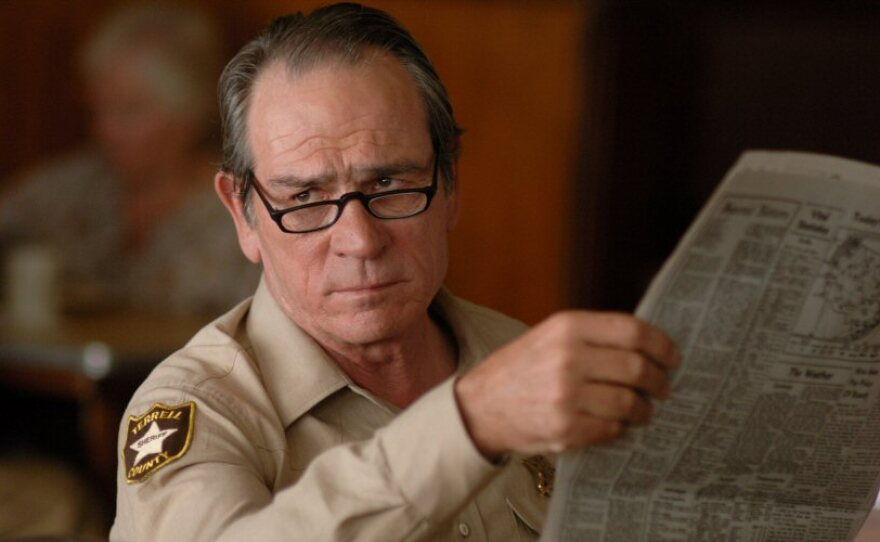
Did you notice that we didn’t include ourselves in the previous paragraph? That’s because we’re not journalists, no matter how hard Jesse keeps trying to make that stupid fedora with the piece of paper in the brim happen. For real though, we’re not—and it’s important to create a distinction between local journalism (which has professional standards) and local content (which, uh, very obviously does not). That doesn’t make content about Alexandria worse or less important than journalism [Editor’s note: it definitely makes it less important], it just means you need to apply the appropriate context as you engage with it. Opinions and analysis on events happening in Alexandria are really valuable—whether it’s About Alexandria, the ACPS School Board Corner, or yes even our dumb takes—and it helps people process their own feelings and reactions to what’s happening around them. And there’s a whole universe of content about Alexandria that we barely engage with and are only occasionally aware of! Have you looked at your Instagram algorithm lately? There’s multiple accounts about things to do in Alexandria, and things to eat in Alexandria, and things to do while eating in Alexandria, and things to eat while doin—nope, nope, not this last one, nope.
I’m sure we’re missing some good ones (and if we are, tell us!) but the bottom line is, we’re in a golden age for talking about Alexandria. Sometimes that makes us annoyed, but far more often it makes us feel grateful, appreciative, and better informed. And if you can’t find something that scratches your itch for a particular local content niche, there’s never been a better time to start it—we’ll probably subscribe.
Overheard in ALX
Arlington County Board member Maureen Coffey posted on Bluesky last Saturday after the failed vote to ban political signs in medians:
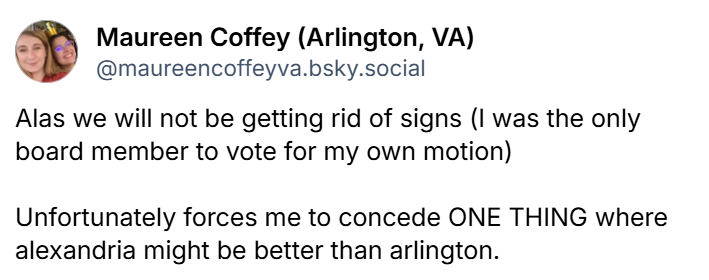
What else can we get Arlington to vote on that further proves our superiority? Should we bait them into a political debate about legalizing cat cafes? Not-so-subtly suggest that they should think about hiring a municipal archoelogist archaeologist? “ONE THING,” get outta here with that noise.
One Awesome Thing in ALX
If you’ve been reading us for awhile you probably know this spiel by now—but we take a third of the revenue from paid subscriptions and put it aside in its own fund. Each time that fund hits $500, we make a charitable donation to a local organization in the name of ALXtra readers, and we take the opportunity to feature and write about that organization as we’ve done previously with Carpenter's Shelter, Casa Chirilagua, NOVA Raft, Cornerstone Craftsman, and Alexandria Tutoring Consortium. That fund just hit $500 again so we’ve made our sixth such donation (bringing the total that our reader community has contributed to local non-profits up to $3,000!) to ALIVE!
If you’re not familiar with ALIVE! (and that is in fact how they display their name, that’s not just us being extremely amped to support them), they are a coalition of fifty local faith communities that work together to provide food, housing, financial assistance, and other material items to Alexandrians in need. They are probably best known for their food assistance, which they distribute through hubs in the West End (at 510-F South Van Dorn Street) and Del Ray (at 2601 Mt Vernon Avenue) and pantries located with partners throughout the city (a full list can be viewed here). They’re serving more than 20,000 local residents a month—a truly staggering number, and a sobering reflection on the impact disruptions to federal employment and the regional economy are having on our neighbors.

ALIVE! recently held their Empty Bowls fundraiser which, if you’ve not had the chance to go before, is one of the best events in the city each year. Not only does it raise funds to sustain the work of ALIVE!, it also supports and highlights local pottery and ceramic artists and offers a space for many of the different congregations that participate in ALIVE! to come together and recognize their volunteer efforts. You can see photos from this year’s event in—yep, you guessed it, we’re bringing this bad boy full circle—coverage from The Zebra. And if you’d like to make an additional contribution in support of ALIVE!’s mission you can do so here.
Enjoy your spring breaks—we’ll be back in your inboxes on April 10.
You can follow Becky @beckyhammer.bsky.social and Jesse @oconnell.bsky.social on Bluesky, or you can e-mail us anytime at alxtranewsletter@gmail.com.
ALXtra is a free-to-read newsletter about current events in Alexandria, Virginia. Subscribe to get it delivered directly to your inbox. Paid subscriptions give you access to the comments. Revenue from subscriptions gets used in the following ways: 1) a third goes into a charity fund, and every time that fund hits $500 we’ll make a donation to a local nonprofit in the name of ALXtra’s readers and we’ll feature and write about that organization, like we did here, here, here, here and here; 2) another third of the money will go toward investments in the newsletter; and 3) the final third of the money goes toward self-care for your two intrepid authors.